How to care for your piercing
Your care continues beyond the piercing itself. After your appointment, I will carefully talk you through your personalised aftercare, taking time to address any questions, before sending the instructions directly to your mobile for effortless reference at home.
Step by step
Saline rinse
Use a sterile saline solution (0.9% sodium chloride) with a clean cotton bud twice a day - morning and night. Do not over-clean; more is not better.
Leave it alone
Avoid touching, twisting, or rotating your jewellery. Unnecessary movement disrupts healing tissue and introduces bacteria from your hands.
Keep it dry
After cleaning your piercing or showering, dry it using your hair dryer on the cool setting. Never rub, and avoid towels which can harbour bacteria.
Protect it
Keep hair products, make-up, and creams away from the piercing. Sleep on a clean pillow case and, for ear piercings, consider a piercing pillow / donut to avoid pressure.
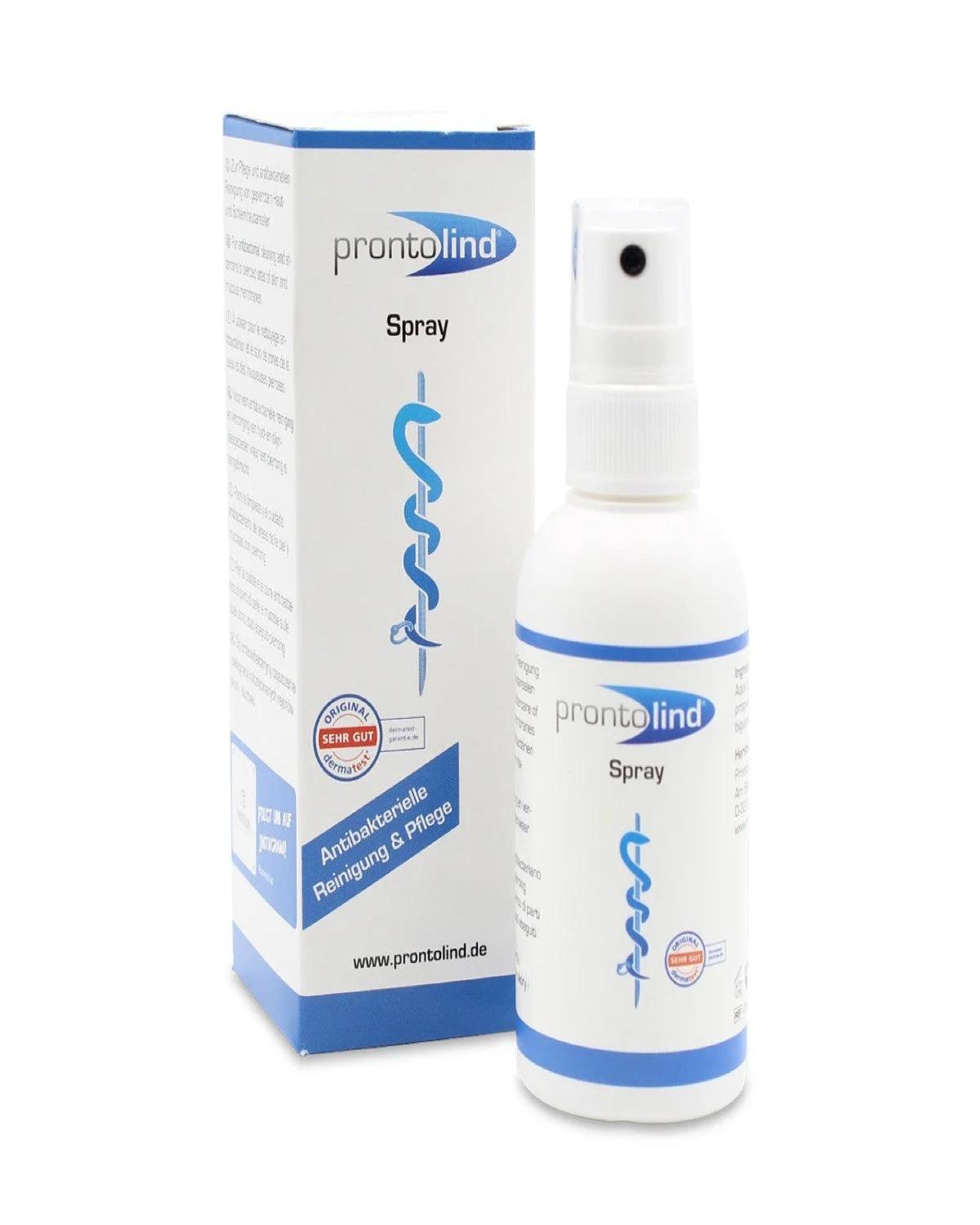
Prontolind
We proudly recommend Prontolind, a premium aftercare solution trusted by professional piercers for its gentle yet highly effective healing support. Its alcohol-free, skin-friendly formula cleanses without irritation, helping to maintain the ideal environment for calm, comfortable healing while protecting delicate new piercings.
As part of our commitment to a luxury, fully supported experience, we keep Prontolind consistently stocked within the studio so you can confidently continue professional-grade aftercare at home. From your appointment through to complete healing, we ensure you have access to the products we trust and use ourselves - because exceptional results deserve exceptional care.
Do
- ✓Use a sterile saline solution to clean
- ✓Wear loose, breathable clothing over body piercings
- ✓Stay hydrated and maintain a healthy diet
- ✓Keep your piercing dry
- ✓Contact us if you have any concern
Don't
- ✕Use alcohol, hydrogen peroxide, or Dettol
- ✕Rotate or twist the jewellery
- ✕Remove the jewellery during healing
- ✕Submerge in pools, hot tubs, or open water
- ✕Apply creams, oils, or ointments
Typical healing times
These are averages - your piercing may heal faster or slower depending on your lifestyle, health, and aftercare.
Signs of infection
Some redness, swelling, and clear or white discharge is normal in the first few weeks - this is your body healing. However, if you notice increasing pain, yellow or green discharge, spreading redness, or fever, please seek medical advice and contact us so we can support you.
Do not remove the jewellery if you suspect infection - this can cause the wound to close and trap the infection inside.
Have a question about your piercing?
I'm always happy to help during your healing journey - get in touch any time.
Contact Us